Keyrings
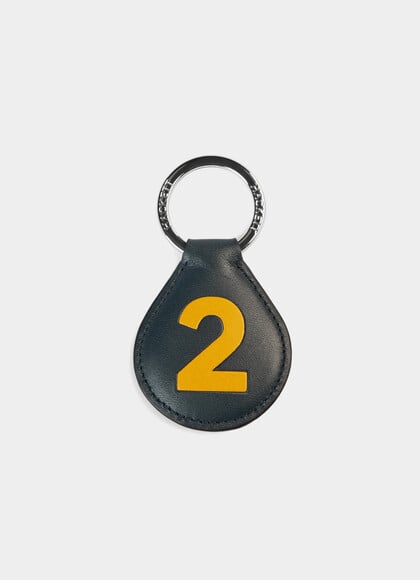
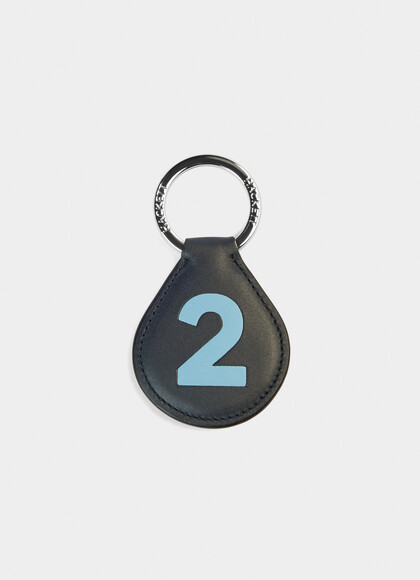
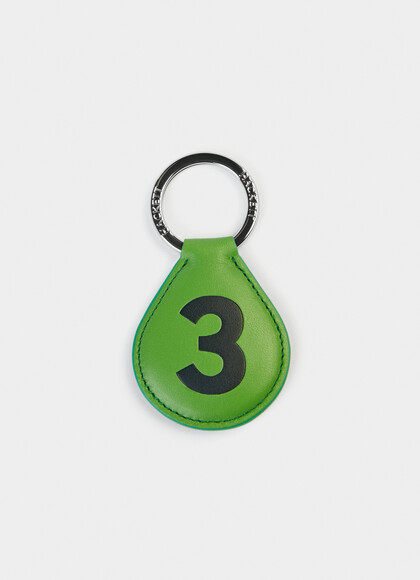
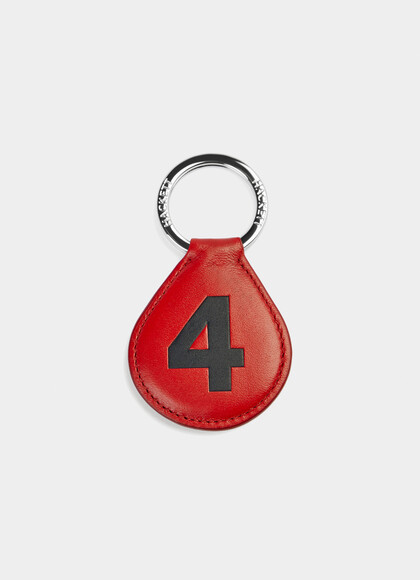
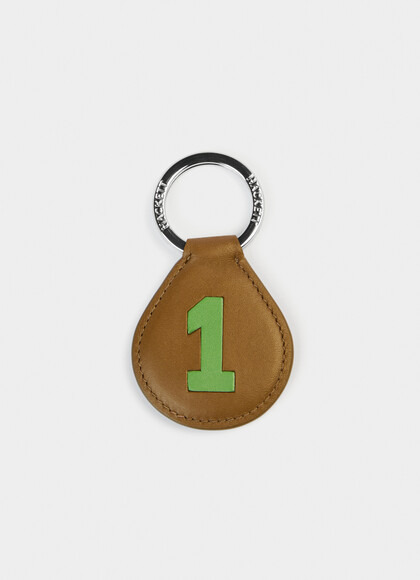
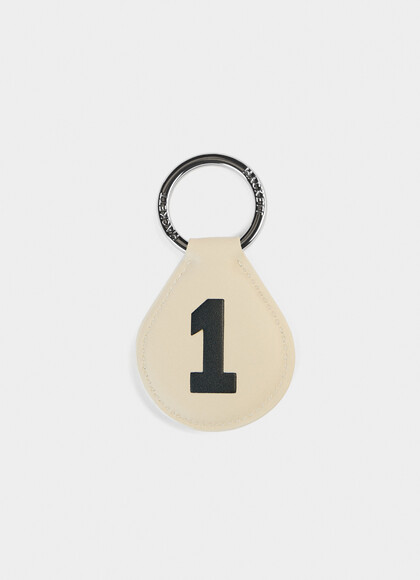
Men's keyrings
Hackett London's men's keyrings are built as a pocket item in their own right, in vegetable-tanned leather and solid metal that age well rather than simply wearing out.
Leather and hardware
Leather from vegetable tanning doesn't crack with age the way chrome-tanned leather stiffens after a couple of seasons. Hackett London's men's keyrings use fine-grain calfskin without any synthetic coating on the visible surface — a standard that runs through the whole small leather goods line.
How the leather ages
Vegetable-tanned leather darkens gradually at the points of most contact — the clasp, the ring edge — developing a patina no factory finish can replicate from new. Men's keyrings with a double split ring hold more securely than a single ring, especially past four keys.
Getting the size right
A swivel clasp stops the leather twisting inside a pocket over the course of a day. Compact men's keyrings under eight centimetres suit a trouser pocket, while longer-clasp models are built to clip onto a belt loop or bag handle.
How do you look after a leather keyring so it doesn't dry out?
A specific nourishing cream for vegetable-tanned leather, applied every couple of months with a dry cloth and in a small amount. Too much cream darkens the leather unevenly, so less applied and spread well works best.
What's the difference between vegetable and chrome tanning?
Vegetable tanning uses natural tannins and produces leather that darkens and develops patina with use; chrome tanning is a faster process using mineral salts that gives a more uniform finish with less character over time. Hackett London's small leather goods work almost exclusively with the former.